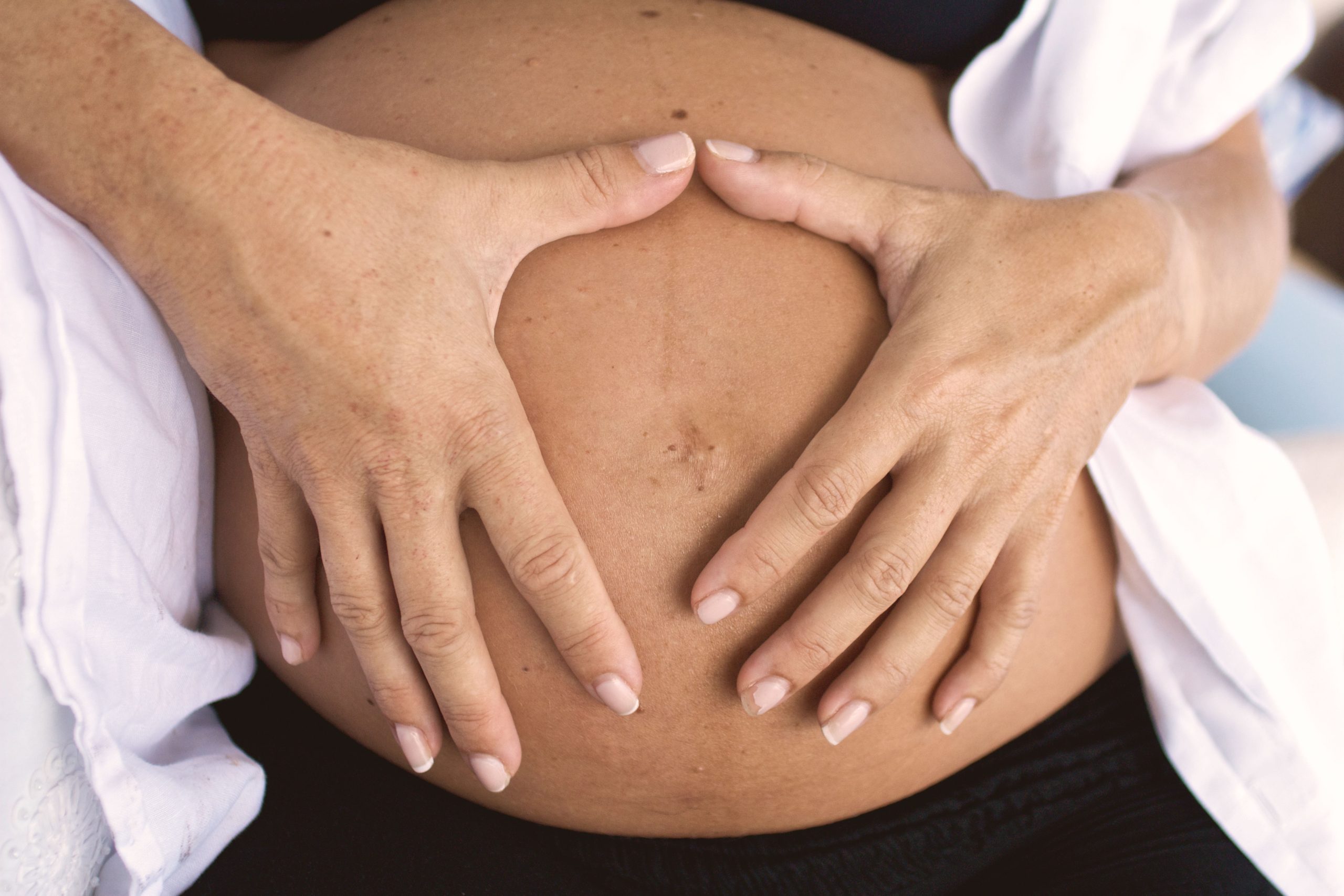
Bringing a new baby home is one of the biggest changes your body will ever go through, and recovering afterwards deserves just as much care as the pregnancy itself. One of the most common, and most misunderstood, issues we see in postpartum physiotherapy at our clinic in Swords is abdominal diastasis, sometimes called diastasis recti or “mummy tummy”. The good news: in most cases, it responds very well to the right physiotherapy approach.
Written by Elena Terrón, Chartered Physiotherapist (CORU Reg. PT044701, ISCP MISCP17788)
What Is Abdominal Diastasis?
During pregnancy, your growing baby gradually stretches the connective tissue (linea alba) that joins the two sides of your abdominal muscles down the midline of your stomach. This is a completely normal part of pregnancy. For many women, this gap narrows naturally in the weeks after birth, but for others, it stays wider than it should, leaving the core weaker and less able to support the back and pelvis properly.
Common Signs You Might Have Diastasis
You don’t need a diagnosis to come and get checked, but these are the signs we hear about most often:
- A visible “doming” or bulge running down the middle of your stomach when you sit up, cough, or strain
- A soft, rounded tummy that doesn’t feel like it’s changing, even months after birth and despite eating well and staying active
- Lower back or pelvic pain that hasn’t settled
- A feeling of weakness or instability through your core, especially when lifting your baby or their car seat
- Symptoms of pelvic floor weakness, such as leaking when you cough, sneeze or exercise
Why See a Physiotherapist Instead of Waiting It Out
It’s a common myth that diastasis will simply close on its own with time, or that the answer is just “more sit-ups”. In reality, the wrong type of exercise, done too soon or in the wrong way, can actually make the gap wider and increase pressure on an already weakened core. A chartered physiotherapist can assess the width and depth of the gap, check how well your deep core and pelvic floor are working together, and build a progression that is right for your specific recovery, rather than a generic programme that isn’t designed for a postpartum body.
How We Treat Diastasis With Postpartum Physiotherapy
Every postpartum assessment at our Swords clinic starts with listening: how did your pregnancy and birth go, what symptoms are you noticing, and what does your day-to-day life actually look like with a new baby. From there, treatment is built around you and can include:
- A full assessment of the abdominal gap, posture and pelvic floor function
- Guided core reactivation exercises, starting with breathing and deep core coordination before progressing to functional strength work
- Manual therapy to ease the back, hip and pelvic tension that so often comes with carrying, feeding and lifting a baby
- INDIBA technology, which we use to support tissue healing and reduce swelling and discomfort in the abdominal and pelvic area, working alongside your exercise programme
- Nutritional advice to support your body’s natural tissue repair during recovery
- A safe, gradual return to exercise or sport, at a pace that protects your core rather than working against it
When to Start
Every recovery is different, and the right time to begin depends on how your birth went and any advice from your GP or obstetrician. Gentle breathing and pelvic floor work can often begin very early on, while a full assessment and a more structured plan usually fits well from a few weeks postpartum onwards. If you’re not sure where you stand, the safest first step is simply to come in and be assessed, there’s no need to wait until something feels wrong.
At Axios Physio we usually begin your full postnatal assessment from 6 weeks after birth. After a caesarean section, we adapt the timing and the exercises to how your scar and your body are healing.
Postnatal Physiotherapy at Axios Physio: What to Expect
- One-to-one 45-minute session: €85
- A full assessment of your abdominal wall, pelvic floor function, posture and breathing
- A personalised plan with core and hypopressive exercises you can do at home
- You are welcome to bring your baby: we will work around feeds and naps
Postnatal Physiotherapy FAQs
When can I start?
From around 6 weeks after birth, or later if your recovery needs it.
Can I bring my baby?
Yes, of course.
Do I need a referral?
No, you can book directly online.
Is it only for diastasis?
No. We also help with back and pelvic pain, C-section scars and returning to exercise safely.
How much does it cost?
€85 per session, or less with our 5 and 10-session plans.
Book Your Postpartum Physiotherapy Assessment
If you recognise any of these signs, or you’d simply like reassurance that your recovery is on track, we’d love to help. Book a postpartum physiotherapy assessment at Axios Physio in Swords and let’s build a plan that fits your body and your new life as a parent.
Call us at +353 (89) 654 9462, email info@axiosphysio.com, or book an appointment online.
Leave a Reply