When we talk about recovering from an injury, building strength, or easing muscle soreness, most people think about stretching, rest, or hands-on treatment. But one of the simplest and most overlooked factors in muscle health is something you control every day: how much water you drink. At Axios Physio in Swords, we see the effects of poor hydration in our patients more often than you might expect, from cramping and stiffness to slower recovery after exercise or treatment.
Written by Elena Terrón, Chartered Physiotherapist (CORU Reg. PT044701, ISCP MISCP17788)
Why Hydration Matters for Your Muscles
Muscle tissue is made up of roughly 75% water. Water carries nutrients and oxygen to muscle cells, helps flush out metabolic waste such as lactic acid, and keeps the fluid around your joints and soft tissue properly lubricated. Without enough of it, muscles fatigue more quickly, cramp more easily, and take longer to repair after exercise or physiotherapy treatment.
dehydration, as little as 2% loss of body water, can measurably reduce strength, endurance and coordination. For patients recovering from injury or surgery, this can mean slower progress between sessions and a higher risk of re-injury, which is why we always ask about daily fluid intake as part of your assessment.
How Dehydration Affects Muscle Performance and Recovery
Not drinking enough water affects far more than how thirsty you feel. During and after exercise, manual therapy or a physiotherapy session, dehydration can:
- Reduce blood flow and nutrient delivery to healing tissue
- Increase muscle cramping and spasm
- Slow the clearance of metabolic waste after exercise or manual therapy
- Reduce elasticity in muscles and connective tissue, raising injury risk
- Cause general fatigue that limits how much you can safely do in a session
Signs You Might Be Dehydrated
You don’t need to wait until you feel very thirsty to take action. Some common early signs include:
- Dark yellow urine or passing urine infrequently
- Persistent thirst, a dry mouth or dry skin
- Headaches or dizziness, especially during or after exercise
- Muscle cramps that appear during or after activity
- Unusual fatigue or a noticeable drop in exercise tolerance
If several of these sound familiar, it’s worth reviewing your daily fluid intake, particularly on days you’re training, doing physical work or attending a physiotherapy session.
Practical Tips to Stay Well Hydrated
- Aim for around 1.5 to 2 litres of water a day as a general guide, more on training days or in hot weather
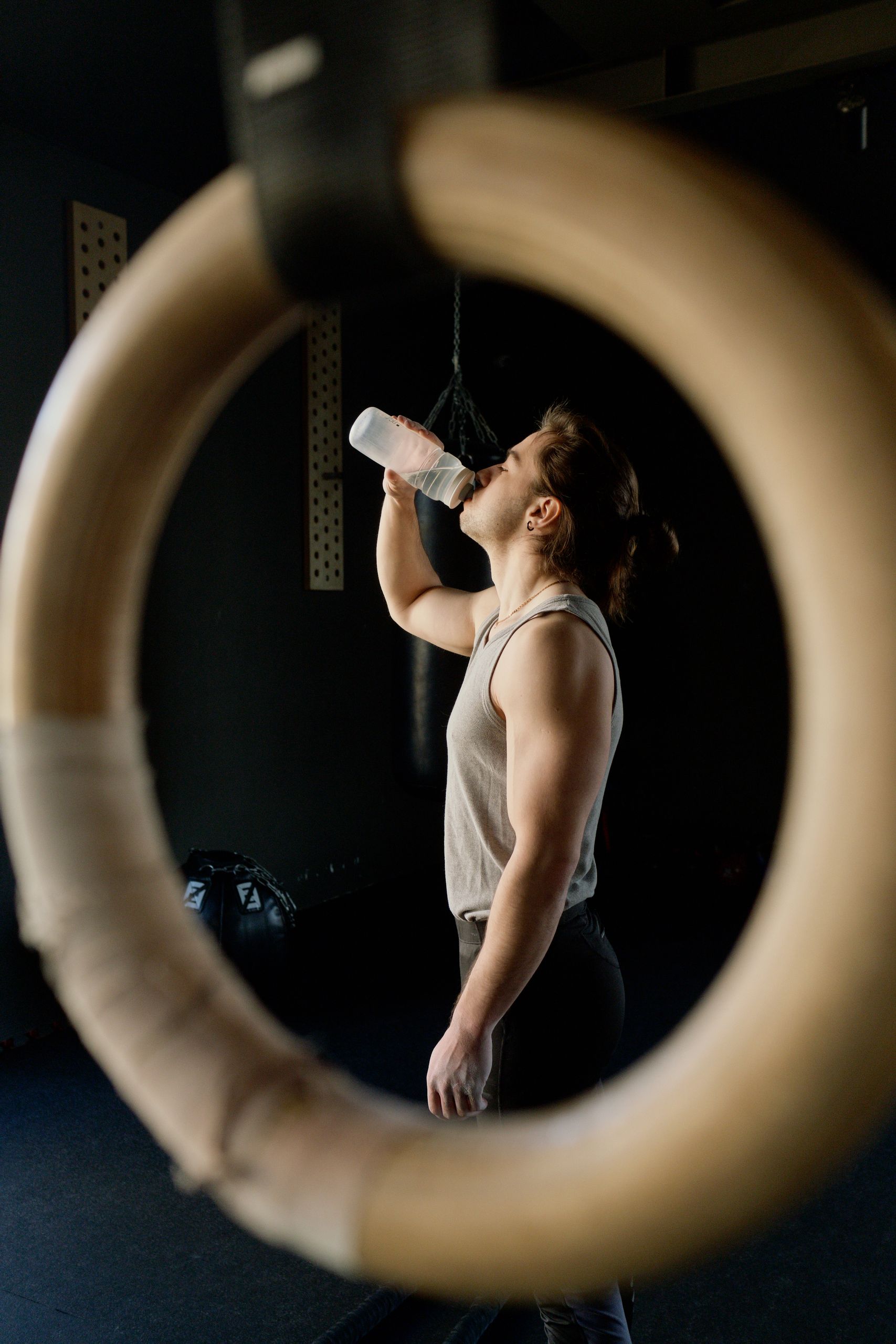
- Drink water before, during and after exercise or your physiotherapy session, rather than waiting until you feel thirsty
- Include water-rich foods such as watermelon, cucumber, oranges and soup as part of your diet
- Go easy on excess caffeine and alcohol, which have a mild diuretic effect
- Keep a water bottle with you through the day as a simple, visual reminder to drink regularly
How We Support Recovery at Axios Physio
Hydration is one piece of the wider picture, but it’s an easy one to control yourself. As part of your treatment plan, we may combine hands-on physiotherapy, tailored exercise and treatments such as INDIBA® radiofrequency therapy to support circulation and tissue repair, all of which work best when your body has the fluid it needs to respond. You can read more about our full range of treatments on our Services page.
Book Your Appointment in Swords
If you’re dealing with recurring muscle cramps, slow recovery or general stiffness, our team at Axios Physio can help you get to the root cause. Get in touch or book an appointment directly online, we’re based in Swords and welcome patients from across North County Dublin.
Leave a Reply